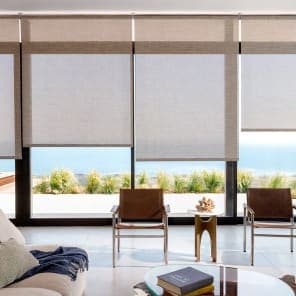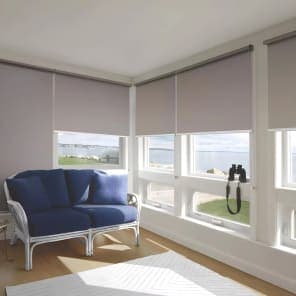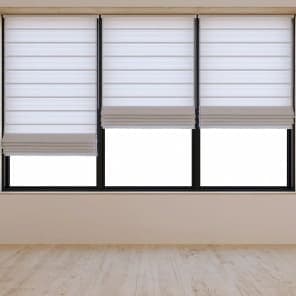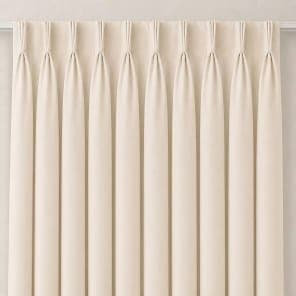
Most curtain mistakes are not made at the hanging stage. They are made much earlier, often before a single measurement has been taken.
The wrong fabric for the room's sun exposure. Curtains hung too low, making the ceiling feel shorter than it is. Window coverage that stops short of the wall on either side, leaving the window looking smaller and the room looking unfinished. These are the common buying mistakes we see most often in UAE homes, and they are almost always avoidable.
Curtains are one of the most visible design decisions in any room. Getting them right makes a room feel considered and complete. Getting them wrong is something you notice every day, even if you cannot always identify exactly what is off.
This guide covers the ten most common mistakes, how to avoid each one, and what to do instead for a result that works properly in a UAE home.
Mistake 1: Hanging Curtains Too Low

This is the single most common home styling mistake with curtains, and it has a bigger impact on how a room looks than most people expect.
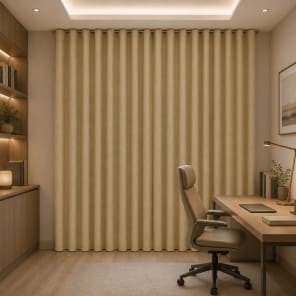
Curtains hung at or just above the window frame make the ceiling feel lower, the window feel smaller, and the whole room feel less resolved. The standard in well-styled interiors is to hang the curtain rod as close to the ceiling as practically possible, or at a minimum of 15 to 20 centimetres above the top of the window frame.
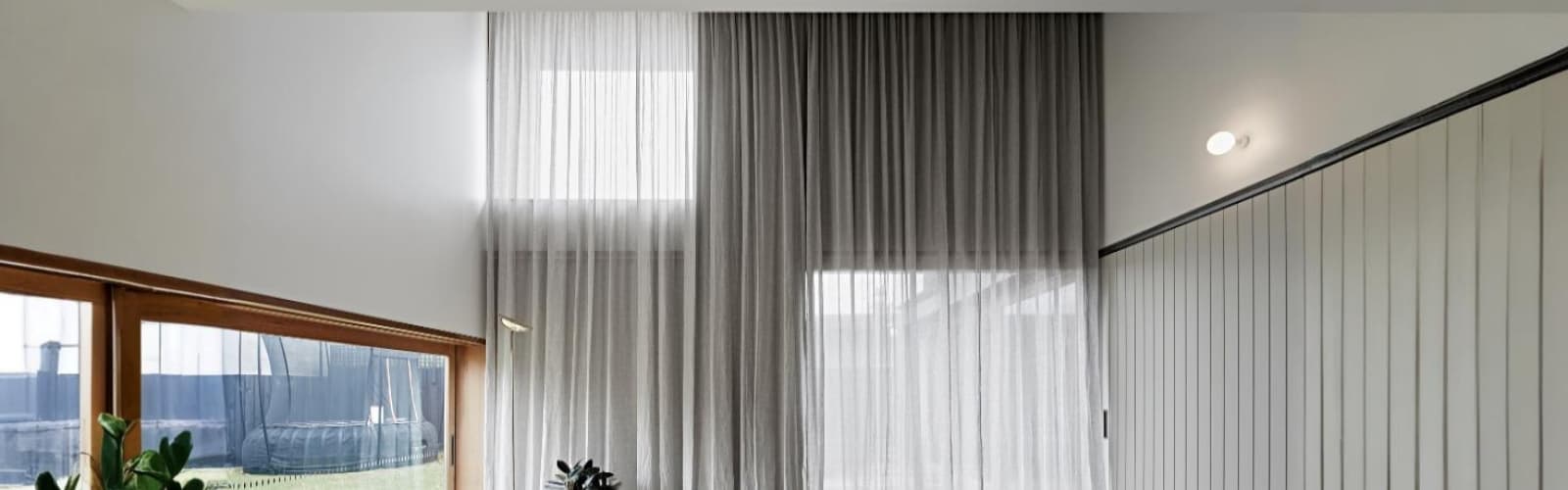
In UAE villas and apartments with ceiling heights of 2.7 metres or above, ceiling-height curtains make the room feel taller, the windows feel grander, and the overall finish feels more deliberate.
What to do instead
Mount the curtain rod within 10 to 15 centimetres of the ceiling. Allow the curtain to fall to the floor. This single adjustment transforms the perceived height and quality of almost any room.
Mistake 2: Getting Window Coverage Wrong
Window coverage is about how far the curtain extends beyond the window frame on each side when open. Most people stop the curtain rod at the edge of the frame. This is one of the most consistent curtain buying mistakes we see.
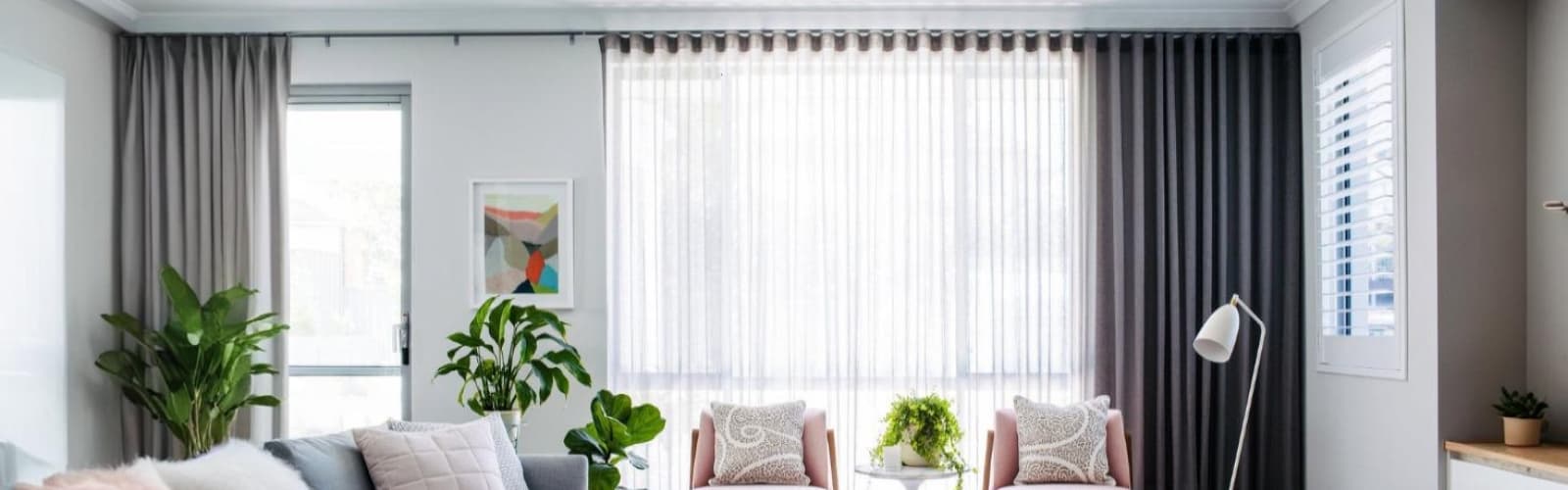
When curtains are stacked back against the wall beside a window, they should not cover any of the glass. They should sit fully to the side of the frame, allowing maximum light in when the curtain is open. If the rod does not extend far enough beyond the frame, the curtains hang across the glass even when pulled back.
The standard extension is 15 to 20 centimetres beyond the window frame on each side. In rooms with large UAE windows or floor-to-ceiling glass, this extension should be even wider to allow the curtains to stack back completely.
What to do instead
When ordering a curtain track or rod, always extend it well beyond the window frame on both sides. This improves both the look of the window and the light the room receives when the curtains are open.
Mistake 3: Not Knowing How to Measure Windows for Curtains

The most common measurement errors:
-
Measuring the window frame width rather than the full coverage width, including the rod extension
-
Measuring curtain length to the window sill rather than to the floor
-
Not accounting for the curtain heading height above the track, which affects the finished drop
-
Ordering curtains for a single panel that should be two panels
How to measure windows for curtains correctly:
-
Width: Measure the full rod or track width, including the extensions beyond the frame on each side. For a full, gathered look, the total curtain width should be 1.5 to 2 times the track width.
-
Drop: Measure from the top of the track or rod to the floor. For floor-length curtains, subtract 1 to 2 centimetres to avoid the curtain dragging. For a deliberate, pooled look, add 5 to 15 centimetres.
-
Panel count: Wide windows and sliding doors almost always need more than two panels to achieve the right fullness and coverage.
|
Field Insight: Incorrect measurements are one of the most common reasons clients come to us after a disappointing experience elsewhere. Made-to-measure curtains cut to the wrong dimensions cannot be corrected without remaking the curtain. Our team always takes measurements on-site before any order is placed, because the difference between measuring correctly and measuring approximately is the difference between a curtain that works and one that needs to be replaced. |
Mistake 4: Choosing the Wrong Fabric for UAE Sun Exposure
This is the mistake most specific to UAE homes, and the one with the most visible long-term consequences.
Curtain fabric in a south or west-facing room in Dubai is under sustained UV stress for much of the year. Without UV-resistant lining, fabric fades faster than most people expect. Colours that look warm and considered in a showroom start to look bleached or inconsistent within twelve to eighteen months of direct sun exposure.
The face fabric handles aesthetics. The lining handles protection. In a UAE home with direct sun exposure, the lining is not an optional extra. It is the reason the curtain still looks right in two years.
What to do instead
Always specify UV-resistant or thermal lining for any curtain in a south or west-facing room. Ask about the fabric's light-fastness rating before ordering. Our showroom team advises on this for every client based on the specific window direction and sun exposure.
Mistake 5: Choosing Between Heavy vs Light Curtains Without Considering the Room

The heavy vs light curtains debate is not about personal preference alone. It is about what the room actually requires.
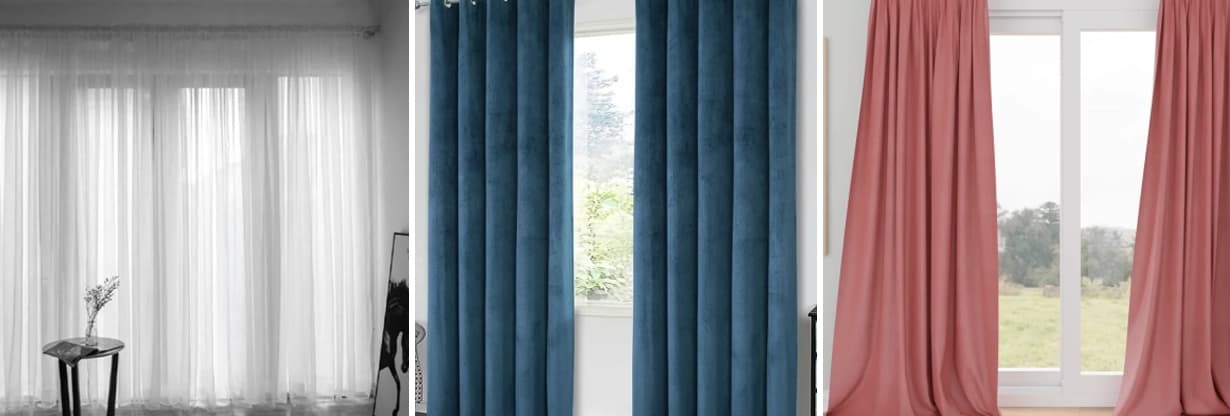
Heavy curtains in linen, velvet, or interlined fabric add warmth, insulation, and visual weight to a room. They suit bedrooms, formal living rooms, and spaces where the window treatment is meant to be a design statement.
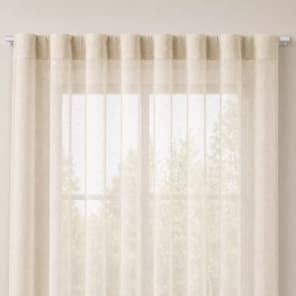
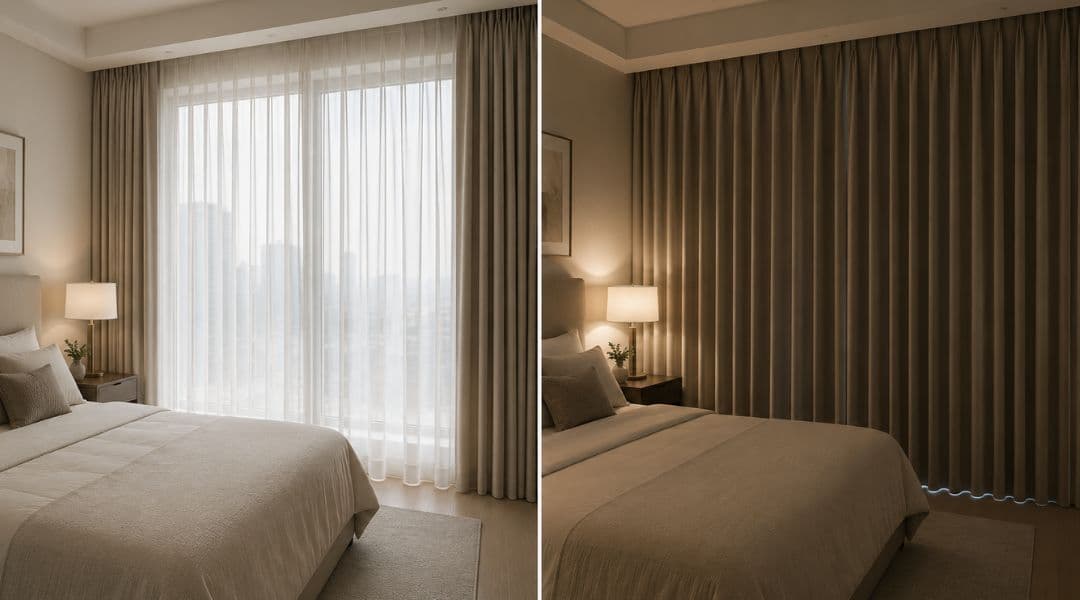
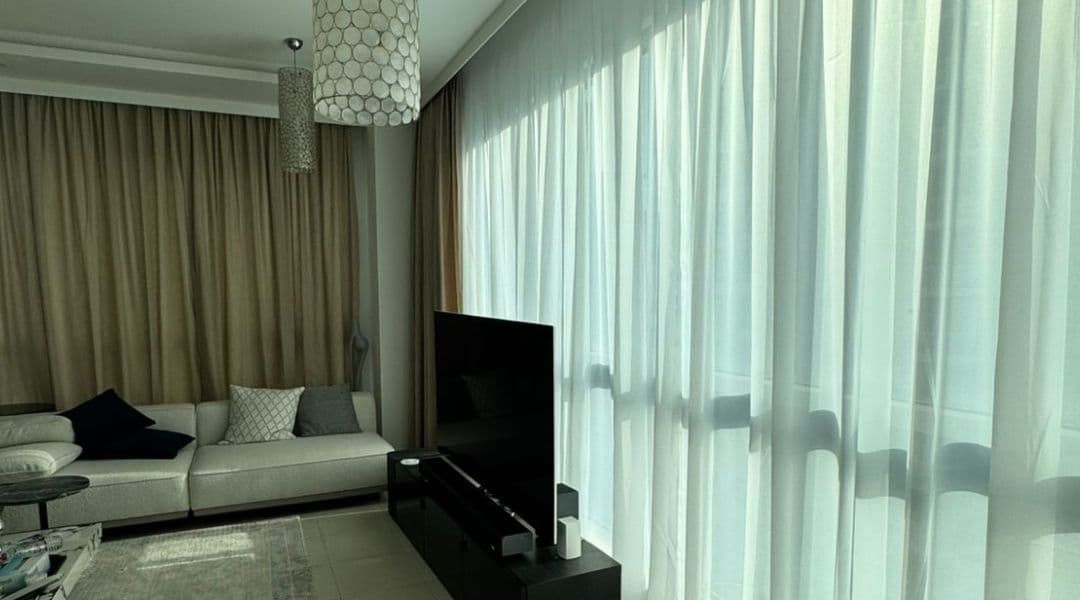
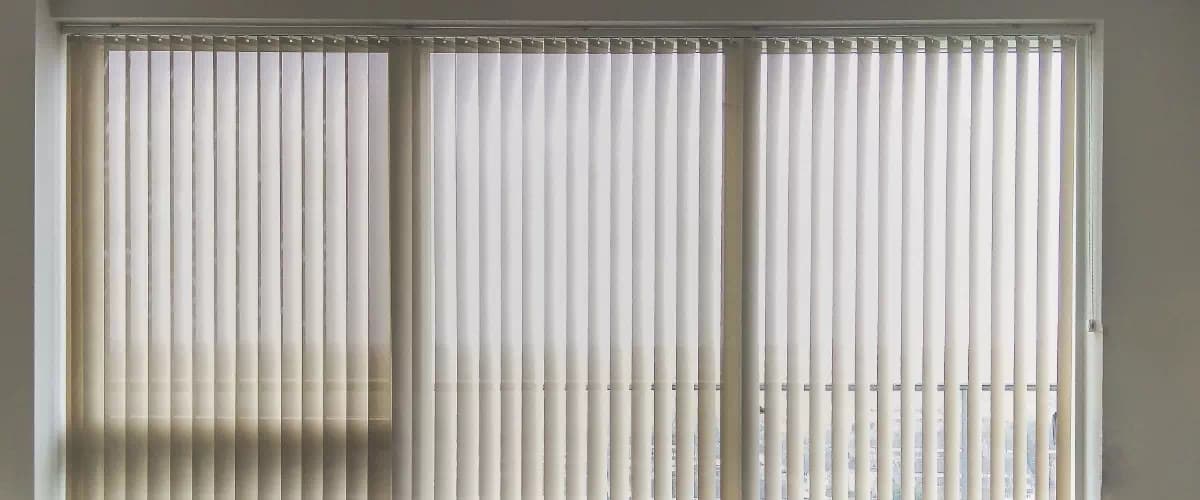
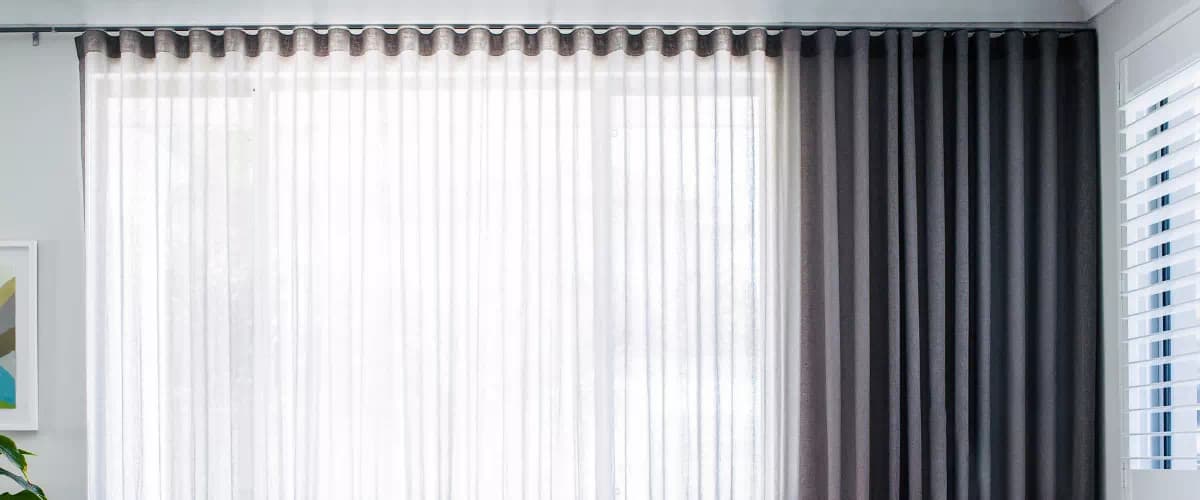
Light curtains in sheer or semi-sheer fabrics work well in rooms where the priority is filtered natural light, an airy feel, or a layered setup like sheer curtains with blackout where a blind is doing the light control work and the curtain is adding softness above it.
The mistake is applying one approach to every room. Heavy curtains in a small apartment kitchen feel oppressive and are impractical. Light sheers as the only window covering in a west-facing bedroom do nothing to manage the heat and light the room needs to manage.
What to do instead
Decide what each room needs functionally before choosing a fabric weight. Then choose a fabric that delivers that function in a weight and texture that suits the room's aesthetic.
Mistake 6: Buying Curtains Before Deciding on the Track System
The curtain and the track system are one decision, not two separate ones. Buying curtains first and then working out how to hang them is one of the most common best curtain tips for modern homes that gets ignored.
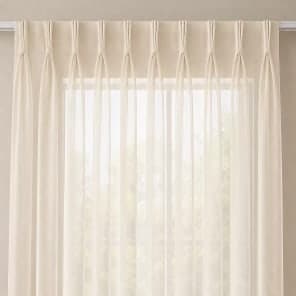
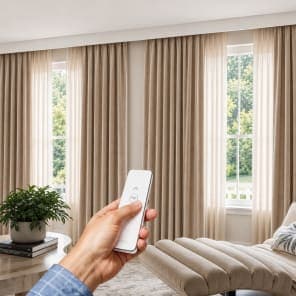
The track or rod type affects the heading style the curtain needs, the way it stacks when open, the gap between the curtain and the ceiling, and whether motorisation is possible. Making the curtain before confirming the track means the two may not work together as intended.
What to do instead
Decide on the track system, the mounting position, and the heading style together before placing any curtain order. This is part of the consultation process at our showroom and is always covered before measurements are taken.
Mistake 7: Ignoring the Lining Entirely
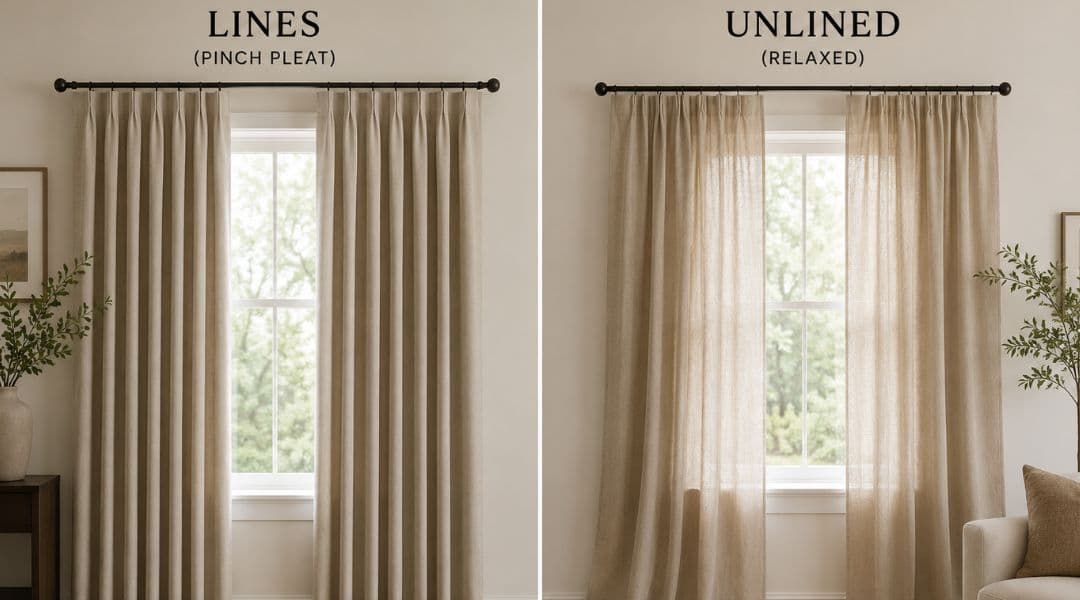
Unlined curtains in direct UAE sun are a short-term saving with a long-term cost. As discussed in our guide to lined vs unlined curtains, the lining is what protects the face fabric from UV degradation, adds structure to how the curtain hangs, and provides the insulation that makes a difference in rooms with significant heat gain at the glass.
Many people choose unlined curtains because they cost less at the point of purchase. In a UAE home with west or south-facing windows, that saving is typically reversed within eighteen months when the fabric needs replacing.
What to do instead
Always line curtains in rooms with direct sun exposure. For rooms with indirect light, standard lining at a minimum. For bedrooms and rooms needing full blackout, specify blackout lining from the outset. You can consider our bedroom curtain suggestions.
Mistake 8: Choosing Colour Only From a Showroom Sample
This is one of the best curtain tips for modern homes that makes the biggest practical difference, and it is consistently underestimated.
Fabric colour behaves differently under different light conditions. A warm sand linen that looks perfect under the neutral lighting of a showroom can read as too yellow, too grey, or too flat in the specific quality of afternoon light in a Dubai Marina apartment. A deep olive that looks considered in a sample book can feel overwhelming when it fills a full window in a smaller room.
What to do instead
Always request fabric samples and view them in the actual room at different times of day, particularly in the morning light and under the room's artificial lighting in the evening. This is the single step that prevents the most regrets.
|
Field Insight: We offer fabric samples to every client before any order is placed. The number of times a client has come back having seen the sample in their home and changed their selection is significant. What looks right in a showroom and what looks right in your specific room are not always the same thing. Seeing the sample in your own light is not optional. It is how the right decision gets made. |
Mistake 9: Choosing Curtains That Are Not Wide Enough
Curtain fullness is one of the most visible differences between curtains that look considered and curtains that look as though the budget ran short.
A curtain panel that is barely wider than the window, when drawn closed, lies flat without any gather or fold. It covers the glass, but it does not look like a curtain. It looks like a fabric panel.
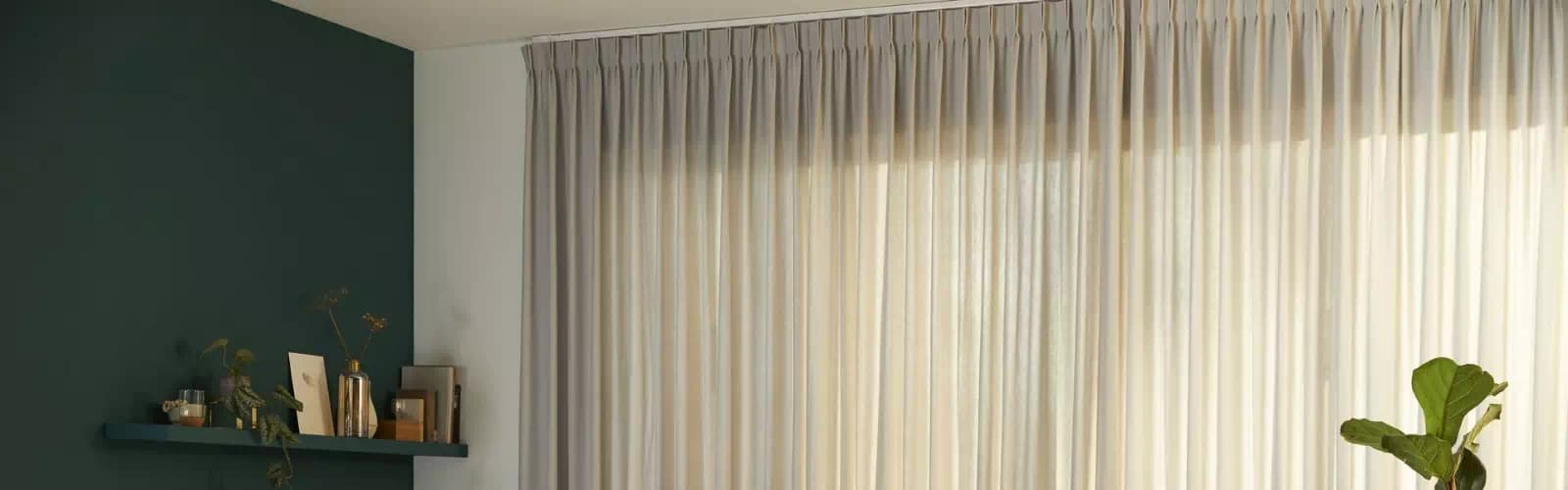
The standard for a full, gathered curtain is a total fabric width of 1.5 to 2 times the track width. For formal or luxurious rooms, 2 to 2.5 times the track width gives a richer, more generous drape.
What to do instead
Always calculate the curtain width based on the track length multiplied by the appropriate fullness ratio for the heading style, not based on the window frame width alone.
Mistake 10: Treating Every Window as the Same Decision
The final and most common curtain buying mistake is applying the same solution to every window in the home without considering what each room actually needs.
A bedroom facing east needs blackout or thermal lining. A living room facing north needs warmth and softness more than heat control. A kitchen window needs a practical, easy-clean fabric, not an upholstery-grade linen. A formal dining room needs a fabric weight and drape that suits the occasion, not a lightweight sheer that was chosen because it matched what was already in the living room.
The homes where curtains look right throughout are the ones where each window was treated as an individual decision, based on the room's function, its light conditions, and how it connects to the rest of the space.
What to do instead
Before buying anything, list each room, its window direction, its primary function, and what the curtain needs to do. Then choose the fabric, weight, lining, and heading style for each room based on that list.
Quick Checklist — Before You Order Any Curtain
-
Have you measured the full rod width, including extensions beyond the frame?
-
Is the rod or track mounted as close to the ceiling as possible?
-
Have you checked the fabric under your own room's lighting at different times of day?
-
Does the lining match the room's sun exposure and light control requirements?
-
Is the total curtain fabric width 1.5 to 2 times the track width or more?
-
Have you decided on the track system before finalising the curtain heading style?
-
Have you treated each window as an individual decision rather than applying the same solution throughout?
Common Questions About Buying Curtains in UAE Homes
How do I know if I need heavy or light curtains for my room?
Start with what the room needs functionally. If light control, privacy, and heat management are priorities, heavier-lined curtains are the right direction. If the room has a blind doing the primary light control work and you want the curtain for softness and layering, a lighter fabric suits that purpose well. The room's function and window direction determine the answer more than personal preference alone.
What is the most common curtain mistake in Dubai apartments?
Hanging curtains too low and choosing fabric without a UV-resistant lining for rooms with direct sun. Both are easy to avoid with the right advice before ordering. Both are expensive to correct after the fact.
Should curtains always touch the floor?
In most rooms, yes. Floor-length curtains make rooms feel taller, windows feel larger, and the overall finish feels more resolved. The only practical exception is a window above a radiator, a deep window sill, or a specific design intention such as a café-style covering.
Ready to Get Your Curtains Right From the Start?
The difference between curtains that look considered and curtains that fall short of what the room needed almost always comes down to decisions made before the order was placed.
At Blinds and Curtains, we take measurements on-site, advise on fabric and lining based on your specific room conditions, and handle installation from start to finish. Whether you are furnishing a new property or replacing curtains that have not been working, our showroom team will help you avoid every mistake in this guide.
Visit our showroom or browse the full curtains collection at blindsandcurtains.ae to get started.